

If you saw my video on the bucket list trips that actually live up to the hype, this is the part where we stop admiring the scenery and start doing the homework. Below you’ll find how long each place really needs, a ballpark day-by-day plan, where Americans can sleep safely, the best time to go, and the fine print the tourism boards would rather bury under a stock photo of a couple laughing at a salad.
A quick note on money: every price in this post has been converted to approximate US dollars at the time of this writing (November 2026), and exchange rates, entry fees, and travel advisories are all subject to change, sometimes overnight. Treat every number as a ballpark and double-check before you book. And if you’d rather have someone else sweat the flights, the cabins, and the fine print, that’s literally my day job as a travel advisor.
The Quick Version
| # | Destination | Time needed | Where to base | Best time |
|---|---|---|---|---|
| 10 | Machu Picchu, Peru | 5–7 days | Cusco, Sacred Valley, Aguas Calientes | April–May, September–October |
| 9 | Antarctica | 10–12 days from Ushuaia | On the ship | November–March |
| 8 | Pyramids of Giza, Egypt | 3 days in Cairo, 8–10 in Egypt | Giza, Garden City, or Zamalek | October–April |
| 7 | Petra, Jordan | 2 days at Petra, 5–7 in Jordan | Hotels at the Petra gate | March–May, September–November |
| 6 | Galápagos, Ecuador | 7–10 days | On the ship | December–May for calm seas, June–November for marine life |
| 5 | Hubbard Glacier, Alaska | 10–12 days as a cruisetour | Vancouver, Anchorage, Denali | May–September |
| 4 | Iguazu Falls, Argentina and Brazil | 2–3 days | Argentine side or inside the parks | April–May, August–September |
| 3 | Norwegian Fjords | 5 days by land, 7–12 by cruise | Bergen, Geiranger, Ålesund | Late May–early September |
| 2 | Venice, Italy | 4–5 nights | Historic center, not Mestre | April–early June, September–October |
| 1 | Reykjavik and Sky Lagoon, Iceland | 4–5 days | Downtown Reykjavik (101) | May or September |
#10: Machu Picchu, Peru
Machu Picchu is the rare bucket list item where the photos actually undersell it, because no camera captures the scale of a stone city perched on a mountain ridge surrounded by even bigger mountains. The terraces still drain rainwater five hundred years later, the stonework fits so tightly you can’t slide a credit card into the seams, and the resident llamas wander around like they own the place, which, frankly, they do.
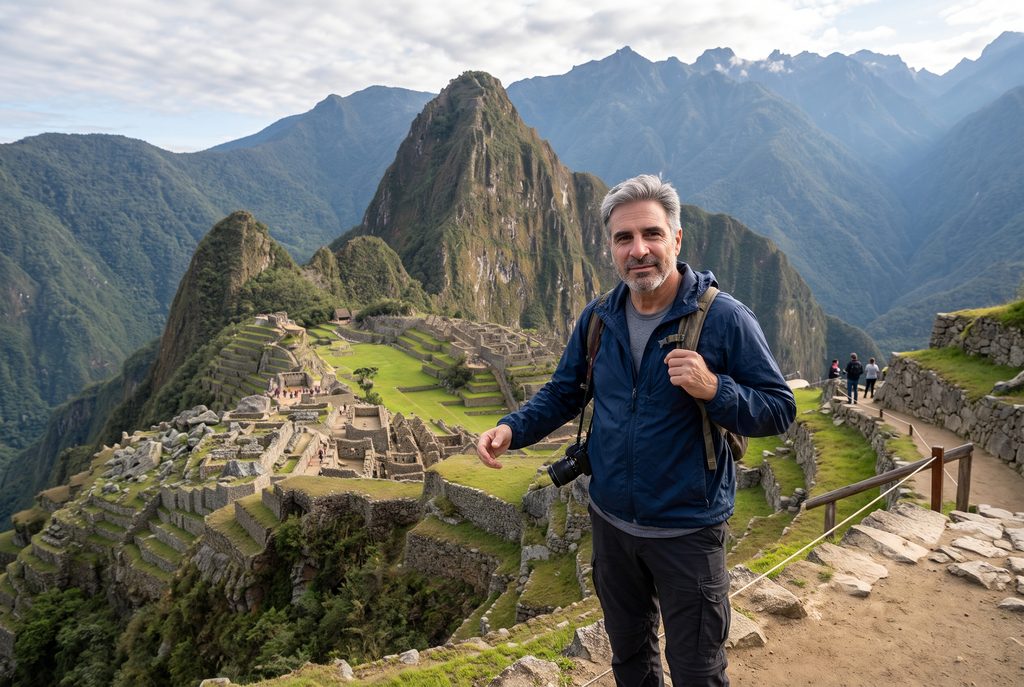
Getting there is a logistics project involving timed tickets, a train, a bus, and lungs that haven’t been introduced to high altitude yet. Every bit of the hassle is worth it the moment the clouds lift, but this is not a place to wing it. Best bet is to pre-purchase an organized tour and let the professionals handle the logistics if it’s your first trip. Here’s our Viator affiliate link to a highly rated tour: https://www.viator.com/tours/Cusco/2-Day-Tour-of-Machu-Picchu-from-Cusco-with-Maras-and-Moray/d937-319951P21?pid=P00207674&mcid=42383&medium=link&campaign=top10
How long: 5–7 days.
DIY Itinerary:
- Days 1–2: Cusco, taken slowly, because the altitude (above 11,000 feet) will flatten anyone who doesn’t.
- Days 3–4: The Sacred Valley (Pisac, Ollantaytambo), lower and gentler for adjusting.
- Day 5: Train to Aguas Calientes, then the 20-minute bus up to Machu Picchu that afternoon or first thing next morning.
- Day 6: A second entry for Huayna Picchu, Machu Picchu Mountain, or the Sun Gate, then back to Cusco.
- Keep a buffer day in the plan, since protests have shut down the trains and buses before.
- The classic Inca Trail adds 4 days, needs permits booked months ahead, and closes every February.
Where to stay: In Cusco, around the Plaza de Armas or San Blas; use hotel-arranged or registered taxis and skip wandering alone late at night. Picks: Belmond Monasterio or Palacio del Inka in Cusco; Tambo del Inka, Inkaterra Hacienda Urubamba, or Explora in the Sacred Valley; and Belmond Sanctuary Lodge (the only hotel at the Machu Picchu gate) or Inkaterra Machu Picchu Pueblo in Aguas Calientes.
Best time: The dry season runs May through September, with the clearest skies and biggest crowds in June through August. April, May, September, and October are the sweet spot. November through March is the rainy season, when the mountain can hide in clouds all day.
Know before you go: Since 2024, the site has run on three circuits split into ten routes, with timed entry windows starting at 6 a.m. and a strict 30-minute grace period, because nothing says “ancient spiritual sanctuary” like a rigid check-in window. Daily capacity is capped at 4,500 visitors, rising to 5,600 on high-season dates. Foreign adults pay about $45 for the standard circuits (152 Peruvian soles at the time of this writing, subject to change), the mountain routes cost more, and you need your actual passport at the gate. Huayna Picchu, the steep peak in every classic photo, is limited to hikers 18 and older and comes with stairs that will make you rethink your life choices. The train to Aguas Calientes starts around $85 each way. In September 2025, a fight over who gets to run the shuttle bus turned into protests that blocked the train tracks and stranded hundreds of tourists, so buy travel insurance and build in that buffer day.
#9: Antarctica
Antarctica is expensive, far away, and guarded by the Drake Passage, a two-day stretch of ocean that can turn your stomach into a lava lamp. It’s also the one place on Earth that genuinely feels like another planet, with icebergs the size of shopping malls, humpback whales surfacing next to your Zodiac, and thousands of penguins waddling down their little penguin highways without the slightest interest in you.
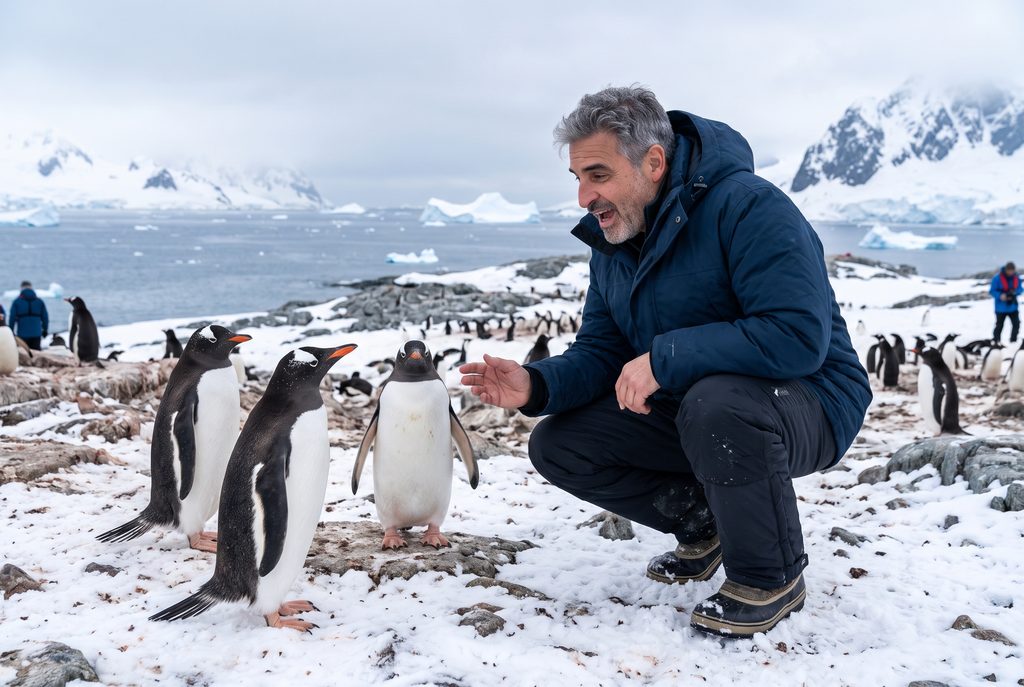
How you go matters more here than anywhere else on this list. The big mainstream ships are classified as cruise-only, meaning they’re too large to put anyone ashore, so you pay a fortune to sail past the continent and wave at it through the window like it’s an aquarium. Go small, or don’t bother. If you’re holed up in Ushuala, here’s an awesome way to meet a penguin! https://www.viator.com/tours/Ushuaia/Guided-Hike-at-the-Penguin-Colony-in-Ushuaia/d933-265707P29?pid=P00207674&mcid=42383&medium=link&campaign=top10
How long: 10–12 days from Ushuaia, Argentina.
DIY Itinerary:
- The Drake Passage takes roughly 2 days each way, with around 5–6 days of landings and Zodiac trips on the Antarctic Peninsula.
- A fly-cruise from Punta Arenas, Chile, skips the Drake and runs about 8 days, but costs more and depends on the weather.
- The bucket-list-of-bucket-lists version runs about 3 weeks and adds South Georgia and the Falklands, with king penguin colonies that will wreck you emotionally.
Where to stay: On a small expedition ship from lines like Lindblad, Quark, HX, Ponant, Silversea, or Viking. The night before: Arakur Ushuaia Resort or Los Cauquenes in Ushuaia, a sleepy, safe port town where the most dangerous thing is the price of king crab. In Buenos Aires, stay in Recoleta or Palermo, such as the Alvear Palace or the Four Seasons, and keep an eye on your phone in crowded areas.
Best time: November for fresh snow and penguin courtship, December–January for chicks and nearly 24-hour daylight, and February–March for peak whale season.
Know before you go: Antarctica now gets more than 100,000 visitors a season. Big cruise-only ships are too large to land anyone, ships over 500 passengers can’t make landings, and only 100 people can be ashore at a site at a time, so pick a small expedition ship. Expect strict biosecurity (vacuuming gear, scrubbing boots before every landing), a five-figure price tag per person, and, if your itinerary allows it, a stop at Ukraine’s Vernadsky Station for a shot of pepper vodka at the world’s southernmost bar.
#8: The Pyramids of Giza, Egypt (with a smaller asterisk)
The Great Pyramid is the last of the Seven Wonders of the Ancient World still standing, and no photo prepares you for how absurdly huge the stones are when you’re standing next to one. Next door, the Grand Egyptian Museum finally opened in full in late 2025, and it’s the best thing to happen to Giza in a few thousand years, with a giant Ramesses II statue in the lobby, the complete King Tut collection, and a staircase that ends in a window full of pyramids.
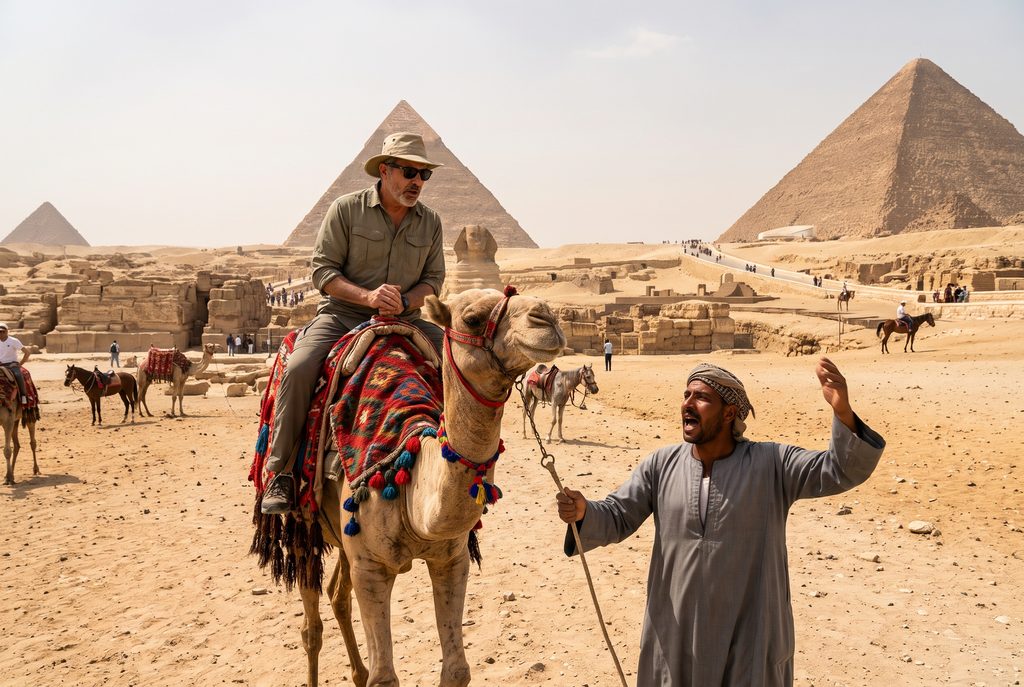
Then there’s the reality check. The Sphinx spends eternity staring across the road at a KFC with a Pizza Hut stacked on top, and the plateau comes with a free bonus attraction, which is a small army of camel handlers and souvenir sellers who will follow you around trying to sell you things you absolutely do not need. Go anyway. Just go prepared. If you want the smooth pyramids and no-camel experience, book this tour: https://www.viator.com/tours/Giza/Classic-Giza-tour/d23032-299073P1?pid=P00207674&mcid=42383&medium=link&campaign=top10.
How long: 3 days in Cairo, 8–10 days to see Egypt properly.
DIY Itinerary:
- Day 1: The Giza plateau in the morning through the new Great Gate entrance, then the Grand Egyptian Museum in the afternoon. End the night on the Pizza Hut rooftop facing the Sphinx for the sound and light show.
- Day 2: Saqqara’s Step Pyramid and Dahshur’s Bent and Red Pyramids, with a fraction of the crowds.
- Day 3: Islamic Cairo and the Khan el-Khalili bazaar.
- Full Egypt version: fly to Luxor for the Valley of the Kings, a 3–4 night Nile cruise to Aswan, and an Abu Simbel day trip.
- Cruise excursions from Alexandria or Port Said cover the pyramids and maybe the museum, but the day is mostly a bus ride, so ask whether it includes the museum or just a photo stop and a carpet shop.
Where to stay: Giza for the view, Garden City or Zamalek for Cairo. Picks: the Marriott Mena House (pyramids out the window) or Le Méridien Pyramids in Giza; the Four Seasons Nile Plaza or the Sofitel on Gezira island in Cairo; the Sofitel Winter Palace in Luxor and the Old Cataract in Aswan, where Agatha Christie wrote Death on the Nile. Use hotel cars or Uber instead of street taxis.
Best time: October through April, when the heat is bearable. Summer regularly tops 100°F on the plateau.
Know before you go: Egypt is at Level 2 (“exercise increased caution”), the same rating as France, and the Sinai and Libyan border zones with “do not travel” warnings are nowhere near Cairo. Grand Egyptian Museum tickets for foreign adults run about $27 (1,450 Egyptian pounds at the time of this writing, subject to change), sold online only for timed slots, so book ahead and get there early to beat the tour groups to King Tut. The old Mena House entrance to the pyramids is closed, so tell your driver the Great Gate on the Cairo–Fayoum Road. Pre-book a licensed guide, give the hustlers a firm “no thank you” and keep walking, never accept a “free” gift that suddenly comes with a price tag, and skip the cramped crawl into the Great Pyramid’s burial chamber, which is an empty stone room that smells like a few million other tourists. For the best-value seat in Giza, head to that Pizza Hut rooftop at night and watch the sound and light show for the price of a pizza.
#7: Petra, Jordan (with a big asterisk)
You walk through a narrow sandstone canyon for what feels like forever, then it opens up and the Treasury is just standing there, carved straight into a cliff, looking exactly like Indiana Jones promised. Unlike Stonehenge, nobody ropes you off a quarter mile away, and there’s an entire ancient city beyond it if your knees are up for the climb to the Monastery. Fun fact: the Treasury was never a treasury. It’s a tomb, and the bullet holes in the stone urn up top came from locals who were convinced a pharaoh’s gold was hidden inside. The urn is solid sandstone.
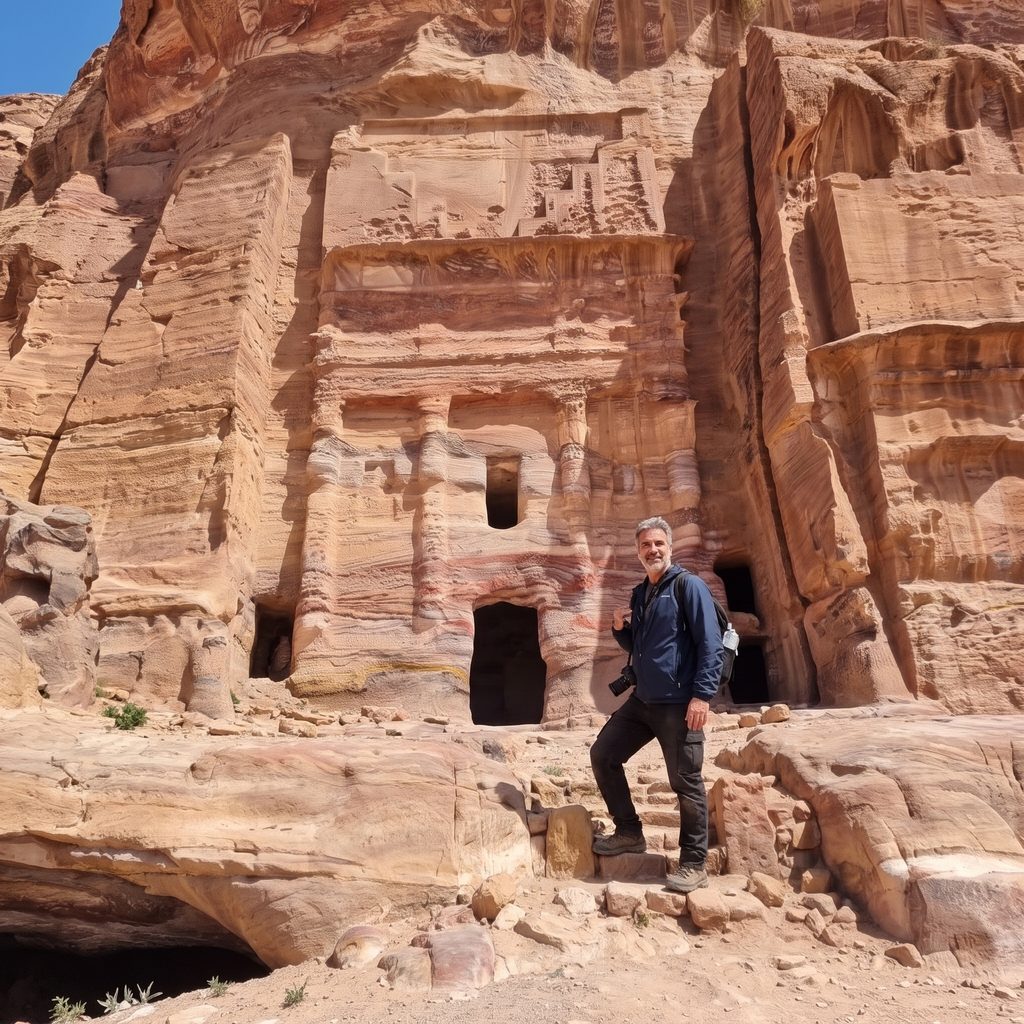
The bad news is that for most Americans, this is a “someday” trip right now, and the fine print below explains why. DEFINITELY book a tour with a licensed tour guide who knows all the logistics like this one: https://www.viator.com/tours/Petra/3-hour-Petra-Private-Guided-Tour/d24520-332674P1?pid=P00207674&mcid=42383&medium=link&campaign=top10
How long: 2 days at Petra, 5–7 days in Jordan.
DIY Itinerary:
- Petra Day 1: The Siq, the Treasury, the Street of Facades, and the Royal Tombs, plus Petra by Night if it’s running.
- Petra Day 2: Climb to the Monastery early, then the High Place of Sacrifice.
- Rest of Jordan: a night in a Wadi Rum desert camp, a Dead Sea float, and a day in Amman and Jerash.
Where to stay: At the gate. Picks: the Mövenpick Resort Petra, right at the site entrance; the Petra Guest House, also at the visitor entrance; or the Petra Marriott, a little dated but a fine base. In Wadi Rum, book a reputable camp through your tour operator. Confirm any hotel is operating before you book, since some Petra hotels closed during the tourism slump.
Best time: March through May and September through November, when it’s cooler. Winter is cooler but can bring flash floods in the canyons.
Know before you go: The U.S. State Department has Jordan at Level 3 (“reconsider travel”) due to terrorism and armed conflict, with a warning about drone and missile threats tied to the U.S.–Iran conflict, and it tells Americans to have an exit plan that doesn’t depend on U.S. government help. In July 2026 the U.S. Embassy told Americans to avoid Aqaba’s airport and port after a credible threat, and most cruise lines have dropped the Red Sea. Petra itself has its own tourism police, and crime against visitors is rare. If you go anyway, use a vetted tour company that handles transfers, keep a low profile, and buy travel insurance that covers evacuation.
#6: The Galápagos Islands, Ecuador
Finally, a place where the animals are the attraction and they don’t bite you for snacks like a certain group of Bahamian swimming pigs. The wildlife here evolved without predators, so it has absolutely no fear of you, and that changes everything. Sea lions nap on park benches and swim circles around you while you snorkel, blue-footed boobies do their goofy high-stepping dance a few feet from your shoes, marine iguanas pile up on the lava rocks like a heap of tiny Godzillas, and the giant tortoises have the general energy of retirees who’ve seen it all and aren’t impressed by you either.
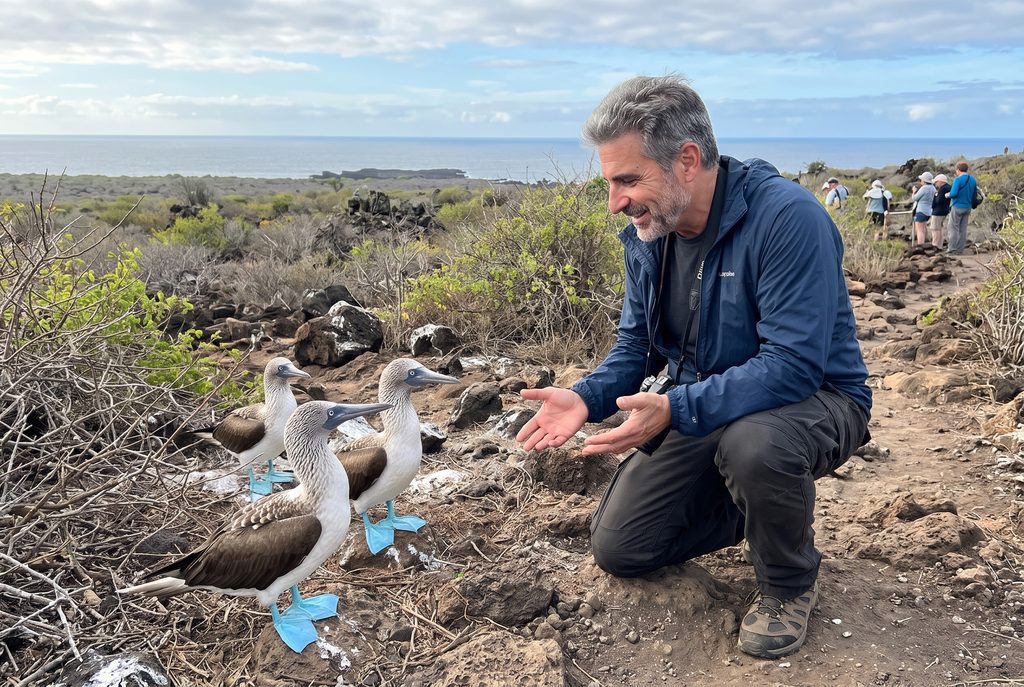
This is not a cheap or casual trip, and the ship you pick decides which islands you see, so choose carefully.
How long: 7–10 days.
Itinerary:
- A 7-night small expedition ship is the standard and the best way to reach the outer islands.
- Add 1–2 days in Quito or Guayaquil on each end for flight connections.
- Island-hopping from a land base saves money but reaches fewer wildlife spots.
- Island headliners: Santa Cruz for the Darwin Research Station and wild tortoises, Española for blue-footed boobies and waved albatrosses (roughly April–December), Genovesa for frigatebirds, Fernandina and Isabela for flightless cormorants and marine iguanas, and Bartolomé for Pinnacle Rock and equatorial penguins.
Where to stay: On the ship. Picks: Celebrity Flora, a 100-passenger yacht built for the islands, or one of Lindblad’s four Galápagos ships, such as National Geographic Endeavour II or Gemini. Ecuador has seen rising violent crime, so let the cruise line’s pre- and post-trip packages handle mainland hotels and transfers; Casa Gangotena in Quito’s Old Town is a standout if you’re booking independently.
Best time: December through May for warmer water, calmer seas, and greener islands. June through November for cooler, rougher water and more marine life, wetsuit required.
Know before you go: Bring cash for the $200 national park fee on arrival (doubled in 2024), on top of the $20 transit card you buy on the mainland, and expect a biosecurity luggage check. Every park site requires a licensed naturalist guide, you have to keep your distance from the animals, and each ship runs a fixed itinerary. Pack seasickness meds for the overnight crossings.
#5: Hubbard Glacier, Alaska
When a chunk of ice the size of an apartment building breaks off Hubbard Glacier and crashes into the water with a sound like artillery fire, every person on deck forgets they paid nine dollars for that hot chocolate. It’s the largest tidewater glacier in North America, roughly six miles wide at the face, and while most of the world’s glaciers are shrinking, this one has been advancing since 1895, which is why people call it the galloping glacier.
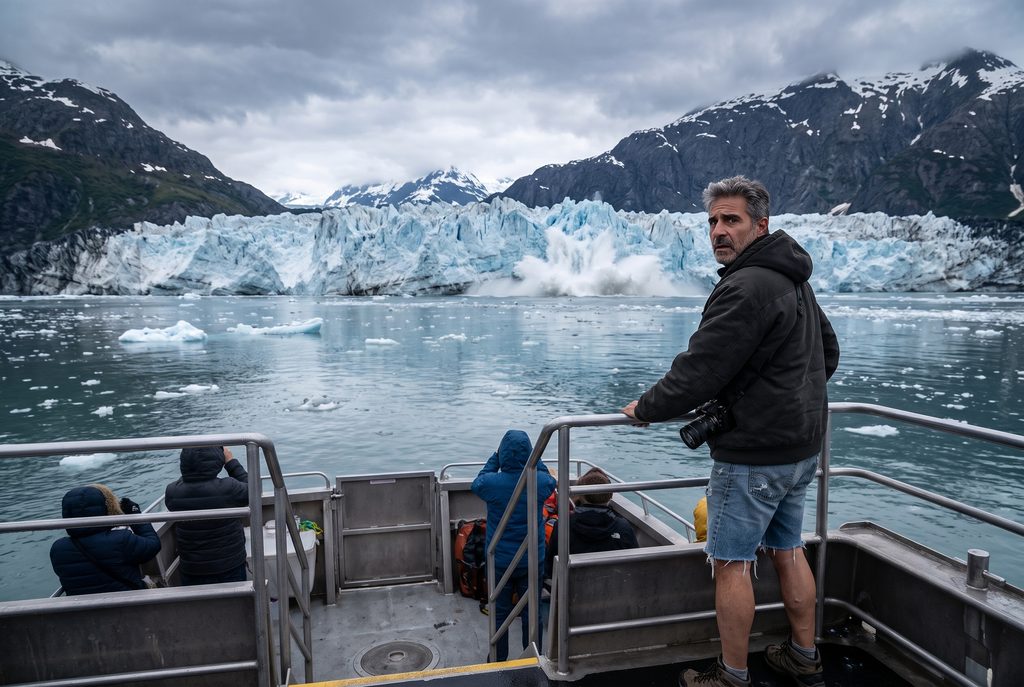
It even sits in a place called Disenchantment Bay, named by a 1792 Spanish expedition that sailed in hoping it was the Northwest Passage and discovered it was a dead end. It may be the most honest place name in North America, and it’s one of the few cruise “scenic days” that genuinely earns the name. Remember, only PRINCESS CRUISES has the best itineraries and deals for Alaska cruises. Use our affiliate link and save! https://click.linksynergy.com/deeplink?id=0D0tqbHz5JA&mid=40030&murl=https%3A%2F%2Fwww.princess.com%2Fcruise-destinations%2Falaska-cruises
How long: 10–12 days as a cruisetour.
Itinerary:
- A 7-night one-way Gulf of Alaska cruise between Vancouver and Seward or Whittier.
- Add 3–4 days on land, usually Denali and Talkeetna, as a cruisetour.
- The cruise alone gets you Hubbard, but skips the half of Alaska ships can’t reach.
Which lines sail it: Princess (Voyage of the Glaciers), Holland America and Cunard (both pair Hubbard with Glacier Bay on some sailings), Norwegian (Norwegian Jade’s Vancouver–Whittier route), Royal Caribbean and Celebrity (Vancouver–Seward one-ways), Carnival (Carnival Spirit), plus Azamara, Crystal, Oceania, Regent, Silversea, and Viking on select itineraries. Round-trip Seattle sailings usually swap Hubbard for Tracy Arm, Endicott Arm, or Glacier Bay, so check the actual port list, not the word “glacier” in the cruise name.
Where to stay: Picks: the Pan Pacific in Vancouver, which sits on top of the Canada Place cruise terminal; the Hotel Captain Cook in Anchorage; the Harbor 360 in Seward; and the Princess Wilderness Lodge or Holland America’s McKinley Chalet Resort at Denali. The biggest danger up there is a moose with an attitude.
Best time: The Alaska season runs May through September. June and July bring the longest days, and there’s more floating ice in the bay by July.
Know before you go: Hubbard is a scenic-cruising day with no port. Ice and fog decide how close the ship gets, anywhere from about a quarter mile to several miles back. If your line sells a small-boat excursion to the glacier face, it’s one of the few shore excursions worth buying.
#4: Iguazu Falls, Argentina and Brazil
Iguazu is the waterfall that comes along to humiliate all the others. Roughly 275 individual falls stretch across nearly two miles of jungle on the border between Argentina and Brazil, and standing at the edge of the Devil’s Throat, where half the river drops off a cliff at once, is like having the planet scream at you in a voice you feel in your chest. Legend has it that when Eleanor Roosevelt saw it, all she could say was “Poor Niagara,” and she wasn’t wrong.
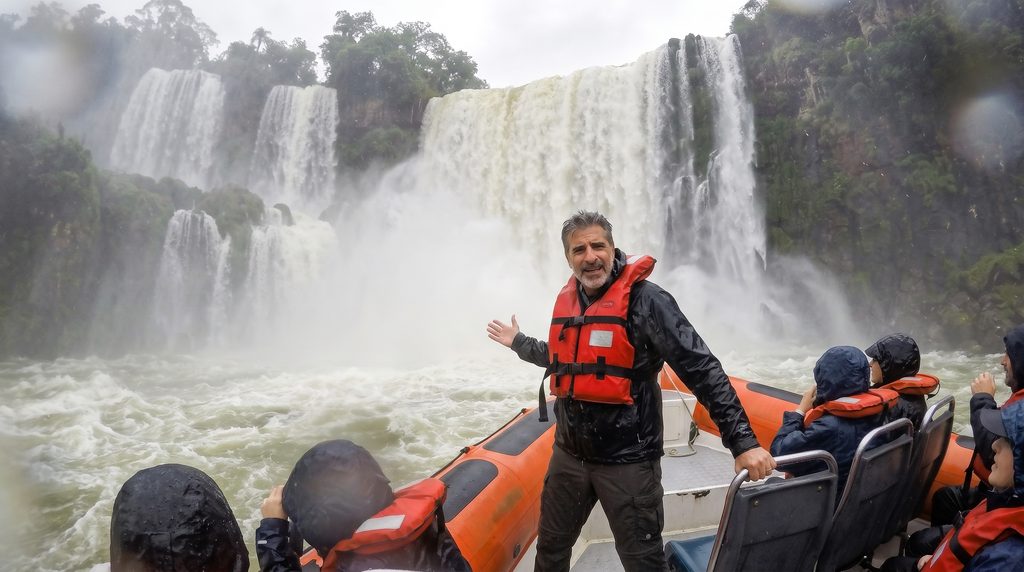
You will get soaked, and you will not care one bit. Just keep an eye on the coatis, which look like adorable raccoons with long noses and behave like tiny furry pickpockets. Again, let a professional handle the logistics. Here’s one with airfare and a boat ride included: https://www.viator.com/tours/Buenos-Aires/Private-Day-at-Iguazu-Falls-from-Buenos-Aires-with-Airfare/d901-11143P71?pid=P00207674&mcid=42383&medium=link&campaign=top10
How long: 2–3 days.
DIY Itinerary:
- Day 1: A full day on the Argentine side: the jungle train to the Devil’s Throat, the Upper and Lower Circuits, and the speedboat ride under the falls.
- Day 2: Half a day on the Brazilian side for the panoramic views, plus a helicopter flight over the falls if you want one (they all leave from Brazil), then the Itaipu Dam or the bird park.
- Day 3 (optional): A second pass at the Argentine side.
- Most people fly in from Buenos Aires, so it slots easily into an Argentina trip.
Where to stay: The Argentine side or inside the parks, since Foz do Iguaçu on the Brazilian side has more street crime. Picks: the Gran Meliá Iguazú, the only hotel inside the Argentine national park, with falls views from the rooms; or the Belmond Hotel das Cataratas inside the Brazilian park, which lets you see the falls after the day crowds leave.
Best time: April–May and August–September for pleasant weather and manageable crowds. December–February brings the most water, plus heat, humidity, and rain.
Know before you go: Two parks means two tickets. At the time of this writing, the Argentine side runs about $39 for international visitors (60,000 Argentine pesos) and the Brazilian side about $24 (131 Brazilian reais), both subject to change, and Argentina’s prices in particular move with its famously jumpy currency. Americans don’t need a visa for Argentina, but Brazil has required an e-visa from Americans since April 2025, so apply ahead and recheck the rules close to your trip. Keep your food out of sight, because the coatis will rip a sandwich out of your hand and bite you if you argue about it.
#3: The Norwegian Fjords
Sailing into Geirangerfjord is the scenic cruising experience the Panama Canal pretends to be, with sheer cliffs, waterfalls pouring down from every direction, and tiny farms clinging to ledges where nobody sane would build a farm. There are no container cranes, no concrete locks, and no conga line of freighters, just your ship sliding through a landscape that looks computer-generated.
Keep an eye out for the Seven Sisters waterfall on one side and the lone waterfall across from it called the Suitor, who has apparently been trying to win over all seven sisters for centuries with no luck whatsoever, which is a level of persistence most of us can relate to. If you want to get up close and personal to try for yourself, here’s the vetted tour you want: https://www.viator.com/tours/Alesund/Hellesylt-Sightseeing-Boat-Geirangerfjord/d4312-273914P11?pid=P00207674&mcid=42383&medium=link&campaign=top10
How long: 5 days by land, 7–12 days by cruise.
Itinerary:
- By cruise: a 7-night fjords sailing from Southampton, Copenhagen, or Amsterdam, or 12 nights to reach the North Cape. Make sure the itinerary actually lists Geiranger, since plenty of “fjords” cruises skip it.
- By land, Days 1–2: Bergen for the Bryggen wharf, the fish market, and the Fløyen funicular.
- Days 3–4: Geirangerfjord for the Seven Sisters waterfall, the Eagle Road, and the Dalsnibba viewpoint.
- Day 5: Ålesund for the Art Nouveau old town.
Where to stay: Anywhere in Norway is about as safe as travel gets. Picks: Hotel Norge or Det Hanseatiske in Bergen and Hotel Union Geiranger, which looks right down the fjord.
Best time: Late May through early September, with long June days and the waterfalls at their fullest from the snowmelt. Many roads and viewpoints close or cut back outside summer.
Know before you go: Geiranger caps cruise visitors at about 6,000 a day in peak summer, in a village of roughly 215 people. Since January 2026, passenger ships under 10,000 tons must run zero-emission in the World Heritage fjords, but big cruise ships have until 2032. Bergen is famous for rain, and Norway is famous for prices, so pack a rain jacket and a healthy credit limit.
#2: Venice, Italy
Venice is crowded, overpriced, and slowly sinking, and it’s still more beautiful than any city has a right to be. The secret is sleeping there, because once the day-trippers clear out in the evening, the canals go quiet and you finally get the version of Venice the postcards have been promising everyone else.
It’s also a city that rewards slowing down. You can technically sprint through the highlights in two days, but you’ll spend most of it shuffling over bridges behind tour groups, so give yourself enough nights to actually enjoy it. Here’s a day tour that we took and absolutely loved, and it included the $100+ gondola ride too: https://www.viator.com/tours/Venice/Small-Group-Venice-In-A-Day-With-Basilica-San-Marco-and-Doges-Palace-plus-Gondola-Ride/d522-15693P31?pid=P00207674&mcid=42383&medium=link&campaign=top10. If you want to see the secrets of the Doge, here’s that tour: https://www.viator.com/tours/Venice/Private-Doges-Palace-Tour-Special-Access-to-Secret-Passages/d522-15693P268?pid=P00207674&mcid=42383&medium=link
How long: 4–5 nights.
DIY Itinerary:
- Day 1: St. Mark’s Basilica, the Doge’s Palace with the Secret Itineraries tour and the Bridge of Sighs, then the Campanile for the rooftop view. Ride vaporetto Line 1 down the Grand Canal at sunset, which is the best tour nobody is trying to sell you.
- Day 2: The Rialto market in the morning, then wander Cannaregio and the Jewish Ghetto. Cross the Grand Canal on a traghetto, a stripped-down gondola ferry that costs a couple of dollars, and finish with a bacari crawl for cicchetti and spritz.
- Day 3: Murano in the morning for glassblowing, then Burano in the afternoon for houses painted like a bag of Skittles exploded, plus a long lunch.
- Day 4: Quiet Torcello in the morning for a church older than most countries, then Dorsoduro in the afternoon for the Accademia, the Peggy Guggenheim Collection, and a sunset spritz on the Zattere.
- Day 5 (optional): A train day trip to Padua or Verona, or a lazy beach day on the Lido.
Where to stay: The historic center (San Marco, Dorsoduro, or Cannaregio), not Mestre on the mainland, where the station area is grittier and the cheap rate costs you the overnight magic. Picks: the Gritti Palace or Hotel Danieli for a splurge, or Hotel Flora as a quieter mid-range option near St. Mark’s.
Best time: April through early June and September through October. Summer is hot and packed, winter brings fog, empty streets, and occasional acqua alta flooding (and it’s cold as heck on the water), and February brings Carnevale crowds.
Know before you go: Venice charges day-trippers admission on peak days like a theme park with gondolas. In 2026, that meant 60 dates between April 3 and July 26, at about $6 if you booked at least four days ahead or about $11 if you waited (€5–€10 at the time of this writing, subject to change), and the city is floating a hike to as much as $34 (€30) starting in 2027. Overnight guests are exempt, which is one more reason to stay the night. Big cruise ships have been banned from the lagoon since 2021 and now dock at the industrial port of Marghera or at Fusina on the mainland, so the dramatic sail-in past St. Mark’s is gone. A gondola runs somewhere north of $110 for about half an hour of being paddled past someone’s laundry, so check the current official rate before you climb in.
#1: Reykjavik and the Sky Lagoon, Iceland
Reykjavik is the rare capital city that feels like a cozy fishing town that accidentally became cool, small enough to walk the whole downtown in an afternoon and weird enough to keep you entertained for days. It has a giant concrete church that looks like a rocket ship made of basalt columns, a famous hot dog stand that has fed everyone from fishermen to presidents, and, just down the street from that church, an entire museum devoted to penises. Once you’ve seen the museum, you’ll realize it’s probably not a coincidence that the church looks the way it does from certain angles.
The real reason it tops this list, though, is the Sky Lagoon, an oceanfront geothermal spa about 15 minutes from downtown with an infinity edge that makes the warm water look like it spills straight into the North Atlantic. It’s also the smarter choice over the famous Blue Lagoon, which sits next to an active volcano that keeps forcing it to evacuate guests, which is not a sentence any spa should have in its FAQ. Here’s a tour that includes Sky Lagoon and the tomato farm, but skip the tomato wine: https://www.viator.com/tours/Reykjavik/Small-Group-Golden-Circle-Fridheimar-and-Sky-Lagoon-Tour/d905-16698P39?pid=P00207674&mcid=42383&medium=link&campaign=top10
How long: 4–5 days.
DIY Itinerary:
- Day 1: Downtown on foot: Hallgrímskirkja tower (about $11 for the elevator), Laugavegur shopping street, the Phallological Museum if you dare, Harpa, and a hot dog from Bæjarins Beztu Pylsur. Sky Lagoon in the evening to beat jet lag.
- Day 2: Whale watching or a puffin boat (May–August) from the Old Harbour, then Perlan’s museum and observation deck.
- Day 3: The Golden Circle: Þingvellir National Park, the Strokkur geyser, and Gullfoss waterfall.
- Day 4: The South Coast: Seljalandsfoss, Skógafoss, and Reynisfjara black sand beach. Stay well back from the water, because the sneaker waves have killed tourists.
- Day 5 (optional): Snæfellsnes Peninsula, or a winter ice cave tour from November to March.
- Cruise visitors usually get one day, enough for downtown plus the Sky Lagoon or a Golden Circle excursion, but not both.
Where to stay: Downtown 101, between Laugavegur and the Old Harbour, so everything is walkable. Iceland is one of the safest countries on Earth, and the main hazards are weather and the ocean, not people. Picks: the Reykjavik EDITION next to Harpa for a splurge, the historic Hotel Borg on the main square, or the Canopy by Hilton and Sand Hotel right off Laugavegur.
Best time: May and September for fewer crowds and lower prices; late May through early September for the midnight sun, puffins, and every road open; November through March for ice caves and aurora odds, with only about 4–5 hours of daylight in December.
Know before you go: Book a timed Sky Lagoon slot ahead, especially in peak season, and grab an opening-hour slot if you want the place mostly to yourself. At the time of this writing, the Saman pass with public changing rooms runs roughly $95–$110 (ISK 12,990–13,990) and the Sér pass with private changing rooms roughly $115–$135 (ISK 15,990–16,990), both subject to change and both include the optional seven-step ritual. The lagoon stays around 100–104°F, and the cold plunge sits at a bracing 50–53°F, which is cold enough to make you question your choices but not cold enough to stop you from going back for more.
Ten Places That Are Overrated
In case you missed it, check out our video on the ten most overrated places you shouldn’t waste your time or money on.
Safety Research Notes
Jordan sits at Level 3 (Reconsider Travel) as of November 2026; Petra itself is calm, but the region and the cruise route are not.
- Advisory level: The State Department advisory issued Aug 29, 2026 says to reconsider travel to Jordan due to terrorism and armed conflict, and flags an ongoing threat of drone and missile attacks tied to the U.S.–Iran conflict.
- Timeline: Non-emergency U.S. government staff and families were ordered out on Mar 2, 2026. As of Aug 29, families may rejoin them, but Jordan stays at Level 3.
- Level 4 no-go zones: The Syria and Iraq borders, designated Syrian refugee camps, Rusayfah city, and the Baqa’a neighborhood of Ayn Basha. None are near Petra.
- Exit plan: Americans are told to have a way out that doesn’t depend on U.S. government help.
- Aqaba scare: In July 2026 the U.S. Embassy told Americans to avoid Aqaba’s airport and port after Jordanian authorities evacuated both over a specific, credible threat. It also advised caution at U.S.-associated locations and keeping a low profile.
- Cruises: Many lines are skipping Red Sea ports including Egypt and Jordan, and an industry-wide pullout from the Middle East for winter 2027–2028 is underway, including NCL.
- On-site safety: Jordan’s tourism board says Petra has its own tourism police, and the main hazards are heat, hydration, and winter flash floods rather than crime.
- Crowds: Petra tourism fell to roughly 1% of pre-war levels by May 2026, and Americans were still Petra’s largest overseas market through the first nine months of 2026.
Egypt is at Level 2 (Exercise Increased Caution) as of November 2026, a full step below Jordan, and the standard Cairo–Giza–Nile route avoids every no-go zone.
- Advisory: Level 2, citing terrorism, crime, and health. “Do not travel” applies only to North and Middle Sinai and parts of the Western Desert.
- The March scare: A Mar 2, 2026 State Department alert urged Americans to leave 14 regional countries including Egypt, which Egyptian officials protested. The U.S. Embassy clarified the same week that Egypt’s overall Level 2 rating was unchanged.
- Cairo specifics: OSAC rates Cairo as high-threat for terrorism aimed at U.S. government interests, but low-threat for political violence.
- New entrance: The old gate by the Mena House hotel is closed. The new main entrance, the Great Gate, sits on the Cairo–Fayoum Road at the south edge of the plateau.
- Shuttles: A trial run added electric shuttles with seven stops around the site, cutting the need for animal rides.
- Vendors: Animal-ride vendors were moved to their own entrance, protested by blocking tour buses, and the site operator said holdouts would be banned. Earlier reporting found enforcement lagging, with camel handlers still working near the Sphinx.
- Animal rides: Per PETA, Egypt’s tourism ministry announced plans to ban camel, donkey, and horse rides in the archaeological areas.
- Museum: The Grand Egyptian Museum opened fully in November 2025, about 2 km from the Great Gate, and drew roughly 4 million visitors by the end of August 2026.
Hubbard Glacier: Which Lines Sail It
Hubbard mostly appears on one-way Gulf of Alaska routes between Vancouver and Seward or Whittier, so the itinerary type matters more than the line.
| Line | How it does Hubbard |
|---|---|
| Princess | Voyage of the Glaciers, Whittier to Vancouver, scenic cruising Hubbard and Glacier Bay |
| Holland America | Glacier Discovery routes and cruisetours; one of the few lines pairing Hubbard and Glacier Bay on one sailing |
| Cunard | Also pairs Hubbard and Glacier Bay |
| Norwegian | Norwegian Jade’s 7-night “Alaska: Hubbard Glacier & Skagway,” Vancouver to Whittier, into 2027 |
| Royal Caribbean | Vancouver to Seward one-ways; no Glacier Bay access since it never signed the park’s 2019–2029 agreement |
| Celebrity | Vancouver to Seward one-ways |
| Carnival | Carnival Spirit, one-way between Vancouver and Whittier |
| Luxury and upscale | Azamara, Crystal, Oceania, Regent Seven Seas, Silversea, and Viking on select Alaska itineraries |
- Round-trip Seattle sailings usually swap Hubbard for Tracy Arm, Endicott Arm, or Glacier Bay, so check the actual port list, not the word “glacier” in the cruise name.
- Hubbard is a scenic-cruising day with no port, and ice in Disenchantment Bay can keep ships farther back than promised.
Sources
- Reykjavik and Sky Lagoon: Hallgrímskirkja tower tickets · Northbound: Sky Lagoon guide · Wikipedia: Sky Lagoon · Icelandia: Reykjanes eruption updates
- Venice: Europe for Visitors: 2026 access fee · Travel Daily News: proposed €30 fee · Wego: Mediterranean cruise restrictions 2026
- Machu Picchu: Andina: 2026 capacity limits · Peru Hop: circuits and entry times · Travel Market Report: 2025 protests
- Petra and Jordan: U.S. State Department: Jordan advisory · DeepArrival: August 2026 advisory update · Visit Jordan: Is Petra safe?
- Galápagos: Galápagos Conservancy: entry fees · Voyagers: entry requirements
- Norwegian Fjords: Maritime Executive: zero-emission phase-in · Cruise Norway: Geiranger port facilities 2026
- Giza and Egypt: OSAC: Egypt Country Security Report · Pure Nile Tours: Giza revamp · Sem Elegant Voyage: Grand Egyptian Museum guide
- Hubbard Glacier: alaska.org: Voyage of the Glaciers · Royal Caribbean Blog: Hubbard vs. Glacier Bay · NASA Landsat: Hubbard’s advance
- Iguazu Falls: IguazuFalls.com: entrance tickets · IguazuFalls.com: visa requirements
- Antarctica: MercoPress: 100,000+ visitors a season · Lonely Planet: Vernadsky Station
- Giza sources: OSAC: Embassy Cairo alert, Mar 29, 2026 · OSAC: Egypt Country Security Report · The New Arab · Egyptian Streets · Pure Nile Tours: Giza revamp · Cairo Scene · Travel News · IBTimes · PETA · Meer: GEM visitor numbers
- Museum sources: Lonely Planet: GEM · Lonely Planet: GEM guide · Sem Elegant Voyage · Pyramids Land · Khaleej Times · The Past · ShermansTravel
- Reykjavik and Sky Lagoon sources: Northbound: Sky Lagoon guide · Sky Lagoon 2026 pricing guide · Guide to Iceland: Sky Lagoon · Icelandia: Reykjanes eruption updates · Iceland Review: lava at the Blue Lagoon
- Venice sources: Europe for Visitors: 2026 access fee · The Local: 2026 fee calendar · Travel Daily News: proposed €30 fee · Wego: Mediterranean cruise restrictions 2026 · Adriaports: Venice 2026 cruise season
- Machu Picchu sources: Andina: 2026 capacity limits · Peru Hop: 2026 circuits and entry times · The Only Peru Guide: 2026 prices · Salkantay Trekking: Circuit 3 and Huayna Picchu · Inca Trail Machu: train prices · Travel Market Report: Sept 2025 protests · The Art Newspaper: stranded visitors
- Galápagos sources: Galápagos Conservancy: entry fees · Voyagers: Galápagos entry requirements · Lonely Planet: Galápagos on a budget
- Norwegian Fjords sources: Maritime Executive: zero-emission phase-in · Skift: fjord emission rules delay · Business Norway: emission-free fjords
- Hubbard Glacier countdown sources: NASA Landsat: Hubbard’s advance · NPS: Hubbard Glacier · Coastview: Disenchantment Bay · Forever Karen: Hubbard cruise · Aboard the World: Hubbard
- Iguazu sources: IguazuFalls.com: entrance tickets · IguazuFalls.com: visa requirements · Sol Salute: Brazil side guide
- Antarctica sources: MercoPress: 100,000+ visitors a season · Seatrade: cruise-only ships can’t land
- U.S. State Department: Jordan travel advisory
- DeepArrival: Jordan Level 3 advisory update, August 2026
- News of Bahrain: U.S. Embassy urges Americans to avoid Aqaba airport and port
- The Traveler: Middle East turmoil forces Celestyal to pull more cruises
- Travel Extra: NCL cancels entire 2027–2028 Middle East season
- Visit Jordan: Is it safe to visit Petra?
- Pulse (NYT summary): Jordanians struggle as Mideast wars scare tourists away
- Nomad Lawyer: Jordan courts American travelers